
NEWS
Netanyahu Rejects Trump’s 15-Point Gaza Plan, Insists Hamas Must Be ‘Genuinely’ Disarmed

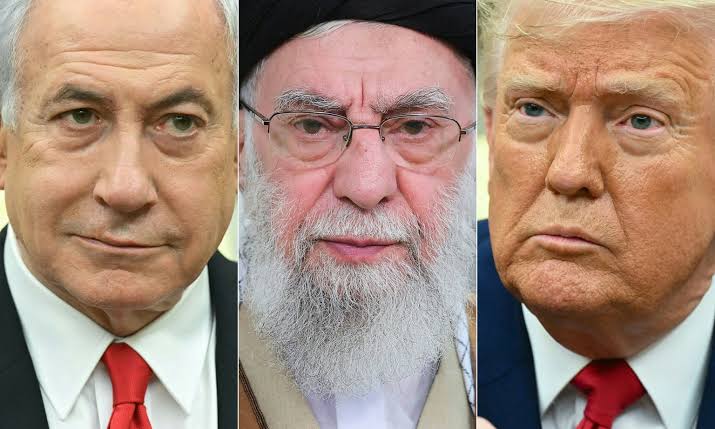
Israeli Prime Minister Benjamin Netanyahu has rejected United States of America President Donald Trump’s 15-point plan for Gaza, insisting that Israel will not withdraw its forces from the territory until Hamas is fully and “genuinely” disarmed.
The rejection represents a fresh setback for Trump’s efforts to secure a lasting peace agreement in Gaza, particularly as disagreements continue over the sequence of Hamas disarmament, an Israeli military withdrawal and the reconstruction of the war-ravaged territory.
Trump’s Board of Peace said last month that it had reached an agreement for the “complete disarmament” of Hamas and other armed groups operating in Gaza.
However, Hamas has maintained that the surrender of its heavy weapons would depend on Israel ending “all forms of aggression” and withdrawing its forces from Gaza.
The disagreement over which step should come first has emerged as one of the biggest obstacles to the implementation of the proposed peace framework.
Speaking at a cabinet meeting on Sunday, Netanyahu made Israel’s position clear, saying, “Israel rejects the 15-point document”.
He further stated that the Israeli military “will not carry out any withdrawal until Hamas is genuinely disarmed and will continue to thwart threats against our forces and our citizens”.
Netanyahu also rejected the possibility of what he described as an incomplete or symbolic disarmament by Hamas. He insisted that the process must be genuine before Israel considers withdrawing its troops from Gaza.
“Hamas has to disarm before Israel withdraws its forces from Gaza,” Netanyahu said, adding that it could not be some “fictitious disarmament”.
Trump had presented the latest proposal as a major step towards ending the prolonged conflict.
Last month, the US president announced “a monumental step toward lasting peace and security” after Hamas said it had accepted a disarmament plan for Gaza.
The broader framework includes the creation of the Board of Peace to supervise implementation of the agreement, the disarmament of Hamas and other armed groups, the withdrawal of Israeli forces and the reconstruction of Gaza.
However, Netanyahu’s latest position indicates that major differences remain between Washington and Jerusalem over how the plan should be implemented.
The Israeli prime minister said he was already in discussions with US officials about possible ways forward.
“They have ideas; some of them are acceptable to us and some are not, and we know how to stand our ground on these matters,” he said.
Netanyahu is also facing domestic political pressure as Israel moves closer to another election cycle.
His far-right political allies have opposed concessions they believe could weaken Israel’s position against Hamas. Some have called for a new cabinet vote that could effectively bring the current Gaza plan to an end.
National Security Minister Itamar Ben Gvir has already rejected the draft, describing it as “not acceptable”.
The political pressure could further complicate Netanyahu’s ability to make compromises with the Trump administration or accept a Gaza arrangement that involves a significant Israeli military withdrawal without guarantees over Hamas’s weapons.
Netanyahu’s rejection signals another major challenge for Trump’s Gaza peace initiative, which was announced in September last year with the stated objective of ending the conflict and establishing a framework for the territory’s future.
The proposal envisaged Hamas disarmament, an Israeli military withdrawal, international oversight through the Board of Peace and a large-scale reconstruction programme for Gaza.
For the plan to move forward, however, Israel and Hamas will have to overcome their fundamentally different positions on the timing and conditions for disarmament and withdrawal.
With Netanyahu insisting that Hamas must first be “genuinely” disarmed, while Hamas has linked its weapons handover to an Israeli withdrawal and an end to hostilities, the implementation of the proposed peace framework remains uncertain.