
NEWS
City Boy Crisis Deepens in Abia as Suspended Organising Secretary, Charles Ukeagu Calls for Restraint, Reconciliation

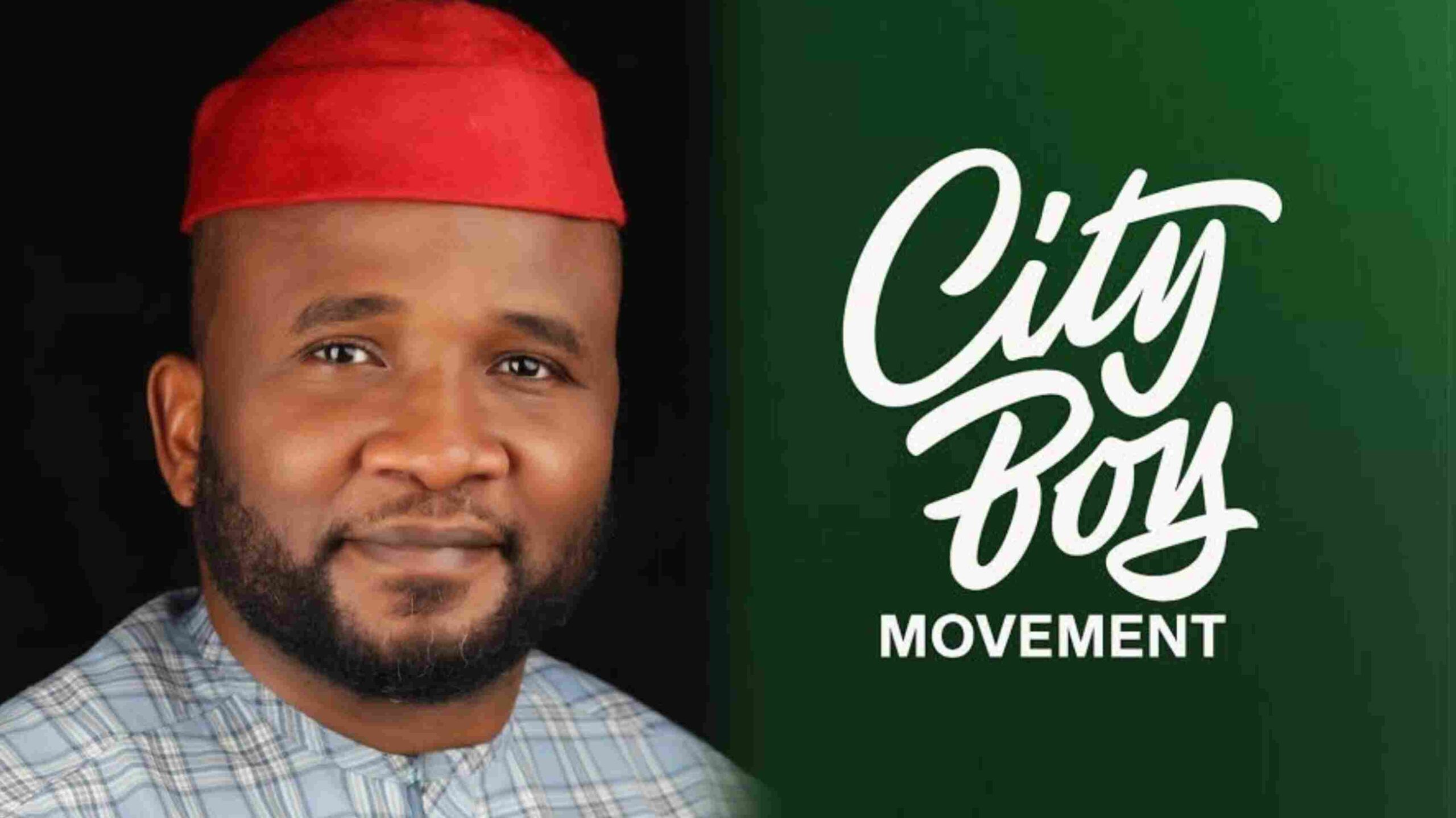
The internal crisis rocking the City Boy Movement in Abia State has taken a new turn, following protests by youths and supporters demanding the reversal of the suspension of the movement’s Organising Secretary, Dr. Charles Ukeagu.
The development has stirred fresh concerns within the group, coming at a time when the City Boy Movement is expected to strengthen its grassroots structures and expand mobilisation ahead of President Bola Ahmed Tinubu’s 2027 re-election campaign.
Ukeagu’s suspension was announced by the State Director of the movement, Mayor Lucky Igbokwe, prompting some youths and student members to converge on the movement’s headquarters in Umuahia in what organisers described as a peaceful protest.
The protesters called for the immediate reconsideration of the suspension, arguing that Ukeagu had played a significant role in establishing and strengthening the movement’s organisational structure across Abia and the Southeast.
Speaking during the protest, the State Campus Youth Leader, Emeka Kenneth Uche, popularly known as Prince of Igbo, said the demonstration was organised by youths and student members who were concerned about the circumstances surrounding Ukeagu’s suspension.
Uche described Ukeagu as one of the strong pillars behind the expansion of the City Boy Movement across the Southeast, stressing that his administrative experience and mobilisation efforts had contributed substantially to the organisation’s growth.
He appealed to the leadership of the movement to reconsider the suspension and seek an amicable resolution to the disagreement rather than allowing the dispute to deepen divisions within the organisation.
Uche also called on Seyi Tinubu, whom he described as the capacity leader of the City Boy Movement in Nigeria, to intervene in the matter and help bring the contending parties to the negotiating table.
For Ukeagu, however, the dispute is fundamentally about what he considers the need for proper administrative processes and balanced representation within the movement.
Speaking on the circumstances surrounding his suspension, the Organising Secretary maintained that he committed no offence that warranted his removal from office. Rather, he said, his position was driven by his insistence that the right structures and decisions be put in place to enable the organisation effectively pursue its mandate of mobilising support for the re-election of President Bola Ahmed Tinubu.
One of the issues he specifically raised was the appointment of a Deputy Director, which he said he opposed because the appointee was allegedly from the same constituency as the State Director.
According to Ukeagu, such an arrangement could create the perception that the City Boy Movement in Abia was being concentrated around one constituency, particularly when other principal officers, including himself and the movement’s patron, were also from the same area.
He subsequently disclosed that he received a six-month suspension letter, a development he described as counterproductive given the administrative and mobilisation responsibilities he said he had undertaken in building the organisation.
Ukeagu argued that suspending active members at a critical period could weaken the movement’s manpower and diminish its capacity to mobilise supporters for the President’s re-election.
“Removing active members could ultimately reduce the number of people available to support the movement and the President’s re-election campaign,” he said
The suspended Organising Secretary further questioned the rationale behind removing members when, in his view, the priority should be expanding the movement’s membership base and strengthening its grassroots presence.
“Every new member into City Boy is an addition to us. So why are we now bent on wanting to remove people? It doesn’t make sense,” he said.
Despite the disagreement and the protests that followed his suspension, Ukeagu struck a conciliatory tone, urging members and supporters to avoid actions that could further escalate the situation.
He maintained that his primary concern remained the stability and growth of the City Boy Movement and its ability to mobilise effectively for President Tinubu’s second-term bid.
Ukeagu therefore called for restraint from all sides, stressing that disagreements within an organisation should not be allowed to undermine its broader objectives.
He also signalled his willingness to reconcile with the leadership, indicating that, despite the prolonged disagreement, he remained open to dialogue and a peaceful settlement in the overall interest of the movement and the President’s re-election.
The unfolding controversy has consequently placed the internal administration of the City Boy Movement in Abia under renewed scrutiny, with members now looking towards the national leadership for possible intervention and a resolution capable of restoring unity within the group.