
NEWS
Gov. Alex Otti Signs Four New Laws, Strengthens Abia’s Criminal Justice System, Approves ABSU Campus Relocation

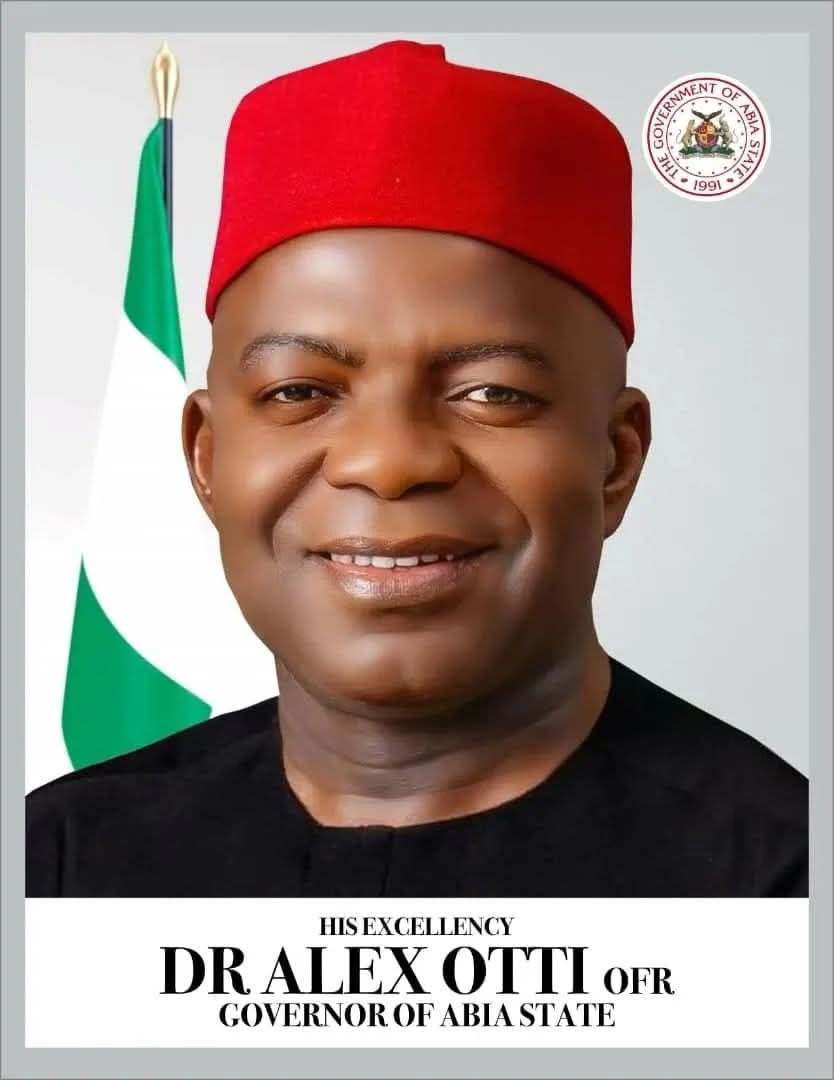
…as Gov. Otti Vows Strict Enforcement of Laws as New Legislation Targets Cultism, Kidnapping, Sexual Violence, Vandalism and Delays in Justice Delivery
…as Uwanna Disclosed Plans To Translate The Laws Into Igbo
By @TheKELVINATOR, The Eyes Opener News | October 19, 2026
The Executive Governor of Abia State, His Excellency, Dr. Alex Chioma Otti, OFR, has signed four new laws passed by the 8th Abia State House of Assembly, marking another significant step in his administration’s efforts to strengthen the justice system, protect citizens and improve governance across the state.
The newly enacted laws are the Abia State University Amendment No. 2 Law No. 4 of 2026; the Abia State Criminal Law No. 7 of 2026; the Abia State Administration of Criminal Justice Law No. 6 of 2026; and the Abia State Restorative Justice Law No. 8 of 2026.
Governor Otti assented to the laws on Monday, October 19, 2026, at the Michael Okpara Auditorium in Umuahia, where he commended members of the 8th House of Assembly, the judiciary and other critical stakeholders for their contributions to the legislative process.
The Governor praised the lawmakers for the thoroughness of their work, noting that effective legislation was essential to achieving meaningful reforms and ensuring that government policies translated into practical benefits for the people.
He emphasised that the effectiveness of any law depended not only on its enactment but also on the availability of appropriate penalties and the determination of government institutions to enforce its provisions.
Drawing attention to the challenges associated with narcotics and hard drugs, Otti observed that inadequate penalties for offenders could undermine the implementation of measures intended to tackle criminal activities. He argued that addressing the demand for illicit drugs was equally important, noting that the market for illegal substances would not thrive without consumers.
The Governor maintained that his administration possessed the political will to ensure that the newly enacted laws were respected and enforced, underscoring his commitment to strengthening the rule of law and promoting a safer society.
A major highlight of the new legislation is the Abia State Criminal Law, which introduces and strengthens provisions aimed at addressing criminal activities threatening public safety, community stability and the protection of vulnerable persons.
Speaking at the event, the Attorney-General and Commissioner for Justice, Hon. Ikechukwu Uwanna, SAN, explained that the three justice-related laws were designed to improve criminal justice administration, strengthen accountability, protect citizens and expand access to justice.
He said the reforms responded to public concerns over cultism, violence, kidnapping, destruction of public infrastructure, sexual offences and delays in the prosecution of criminal cases.
According to the Attorney-General, the Criminal Law strengthens measures against unlawful societies and secret cults by addressing membership, sponsorship, meetings and management of such groups. The provisions extend beyond educational institutions to communities, reflecting the need to confront cult-related activities wherever they occur.
The law also introduces measures against the vandalism of government infrastructure and unlawful dealings in stolen public assets, reinforcing the state’s efforts to protect public property and prevent the destruction of facilities built with taxpayers’ money.
In the area of personal safety and human rights, the legislation strengthens protections against rape, sexual assault, sexual harassment and spousal violence. It recognises both male and female victims of rape and provides for a sex offenders register intended to promote accountability and improve safeguards against sexual offences.
Other provisions address kidnapping, child exploitation, corporate responsibility and offences involving electronic records and digital assets, bringing the state’s legal framework into closer alignment with emerging forms of criminal activity.
The law also broadens sentencing options to accommodate measures such as restitution, where appropriate, allowing the justice system to consider ways of addressing the harm caused by criminal conduct.
The Abia State Restorative Justice Law represents another important component of the administration’s justice reforms, providing a framework for approaches that focus on addressing the harm caused by crime alongside accountability for wrongdoing.
Together with the Criminal Law and the Administration of Criminal Justice Law, the legislation is intended to improve how criminal cases are handled, strengthen justice delivery and provide more effective responses to offences and their consequences.
The reforms seek to address persistent challenges in the justice system, particularly delays in criminal proceedings, while strengthening the institutions responsible for upholding the law.
The Administration of Criminal Justice Law is expected to support more effective handling of criminal cases, while the broader legislative package reinforces the state’s commitment to a justice system that protects victims, holds offenders accountable and serves the public interest.
Beyond criminal justice reforms, Governor Otti also explained the rationale behind the Abia State University Amendment No. 2 Law, which provides for the relocation of the university’s Umuahia campus back to its main campus in Uturu.
He said the decision was intended to reduce administrative costs and enable students previously studying in Umuahia to benefit from the infrastructure, facilities and other investments being provided at the Uturu campus.
The Governor’s explanation places the amendment within his administration’s broader efforts to improve institutional efficiency, optimise available resources and ensure that students have access to better educational facilities.
The relocation is expected to bring the affected academic operations closer to the university’s main campus, although its implementation will require appropriate administrative arrangements to ensure an orderly transition for students, staff and other stakeholders.
Earlier, while presenting the bills to the Governor for assent, the Speaker of the Abia State House of Assembly, Rt. Hon. Emmanuel Ihuoma Emeruwa, described the legislation as important measures requiring careful consideration because of their far-reaching implications for governance and the administration of justice.
Hon. Emeruwa said the House followed the necessary legislative procedures in developing comprehensive laws intended to strengthen the criminal justice system, promote restorative justice and improve the administration of justice across Abia State.
On the Abia State University Amendment Law, the Speaker explained that the amendment was designed to address issues arising from the university’s existing administrative and campus arrangements, including considerations relating to convenience and the organisation of faculties.
He reaffirmed the legislature’s commitment to supporting the Otti-led administration in promoting effective governance, strengthening public institutions and advancing reforms capable of delivering tangible benefits to residents.
In a move aimed at making the new legislation more accessible to ordinary residents, Uwanna disclosed that plans were underway to translate the laws into Igbo.
The initiative is intended to help more people understand their legal rights, responsibilities and the consequences of criminal conduct, regardless of their level of formal education or familiarity with English-language legal documents.
The Attorney-General also expressed appreciation to Governor Otti for supporting the state’s justice sector reforms, noting the importance of sustained executive backing in translating legislative decisions into effective implementation.
With the signing of the four laws, the Abia State Government has reinforced its stated commitment to institutional reform, public safety, access to justice and more efficient governance.
The ultimate test, however, will lie in how effectively the new provisions are implemented, how consistently offenders are held accountable and how far the reforms succeed in protecting residents, safeguarding public assets and building greater public confidence in the justice system.
Also present at the signing ceremony were the Chief Judge of Abia State, Hon. Justice Lilian Abai; the Abia State Commissioner of Police, CP Wilfred Olu
 tokunbo Afolabi; and other government officials and key stakeholders.