
NEWS
Nigeria Spends ₦3.14 Trillion Servicing Domestic Debt in Q1 2026 as Costs Surge 20.3%

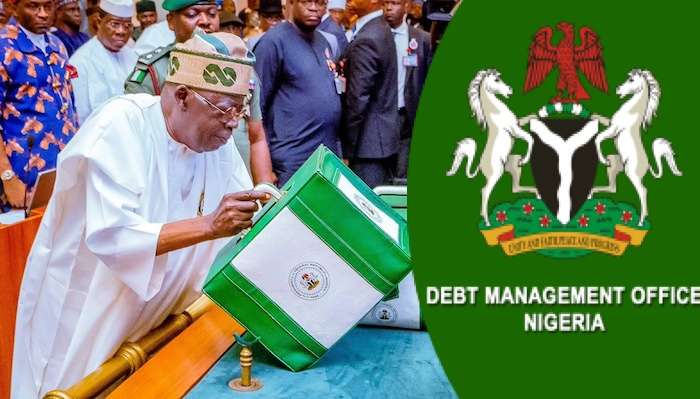
Nigeria’s domestic debt-service burden continued to rise in the first quarter of 2026, with the Federal Government spending a staggering ₦3.14 trillion to service its domestic debt obligations.
The figure represents a 20.3 per cent increase compared with the ₦2.61 trillion recorded in the corresponding period of 2025, according to data released by the Debt Management Office (DMO).
The latest figure also reflects a sharp 37.5 per cent increase from the ₦2.28 trillion spent on domestic debt servicing in the fourth quarter of 2025, underscoring the growing financial pressure created by debt obligations.
Interest payments accounted for the overwhelming majority of the expenditure, gulping ₦2.97 trillion, while ₦169.68 billion was spent on principal repayments.
The DMO data showed that the government’s domestic debt-service expenditure increased significantly throughout the first quarter.
In January, the Federal Government spent ₦741.82 billion, before the figure climbed to ₦967.67 billion in February. By March, domestic debt servicing had surged to ₦1.43 trillion.
Interest payments followed a similar upward trajectory, rising from ₦726.38 billion in January to ₦967.67 billion in February and ₦1.28 trillion in March.
This brought total interest payments for the quarter to approximately N2.97 trillion.
Federal Government of Nigeria bonds accounted for the largest portion of interest payments during the quarter, with total payments reaching ₦1.96 trillion.
Of this amount, ₦1.90 trillion was attributed to FGN bonds, while the FGN US Dollar Bond accounted for ₦61.97 billion.
Nigerian Treasury Bills also recorded significant interest payments, attracting N1.003 trillion during the quarter. Payments stood at ₦262.57 billion in January, ₦258.90 billion in February and ₦481.47 billion in March.
FGN Savings Bonds accounted for another N4.24 billion in interest payments.
The figures mean that roughly N95 out of every ₦100 spent servicing domestic debt during the first quarter went towards interest payments, while only about N5 went towards principal repayments.
The composition of the government’s interest payments has also changed compared with previous quarters.
During the first quarter of 2025, Treasury Bills attracted ₦960.72 billion in interest payments, while FGN bonds accounted for ₦1.40 trillion, including ₦67.99 billion from the FGN US Dollar Bond. FGN Savings Bonds accounted for ₦2.72 billion.
By the fourth quarter of 2025, interest payments on Treasury Bills had stood at ₦742.34 billion, while FGN bonds accounted for ₦1.32 trillion.
FGN Savings Bonds attracted ₦3.99 billion during the period, while FGN Sukuk accounted for ₦101.02 billion and the Green Bond attracted ₦5.59 billion.
In the first quarter of 2026, however, Treasury Bill interest payments rose to ₦1.003 trillion, while interest payments on FGN bonds increased to ₦1.96 trillion.
The rising domestic debt-service cost comes amid a high level of overall public indebtedness.
According to the DMO, Nigeria’s total public debt stood at ₦159.35 trillion as of March 31, 2026, representing a marginal increase from the ₦159.28 trillion recorded at the end of December 2025.
The figure is substantially higher than the ₦87.38 trillion in total public debt recorded as of June 30, 2023, shortly after President Bola Tinubu assumed office.
The latest debt-service figures highlight the increasing importance of debt management as the Federal Government continues to rely heavily on domestic borrowing to finance public expenditure.
With interest payments accounting for the vast majority of domestic debt-service costs, the growing burden continues to place significant pressure on government finances and underscores the importance of managing borrowing costs and debt sustainability.